Buying a Home on Acreage in Fallbrook: What to Check Before You Fall in Love
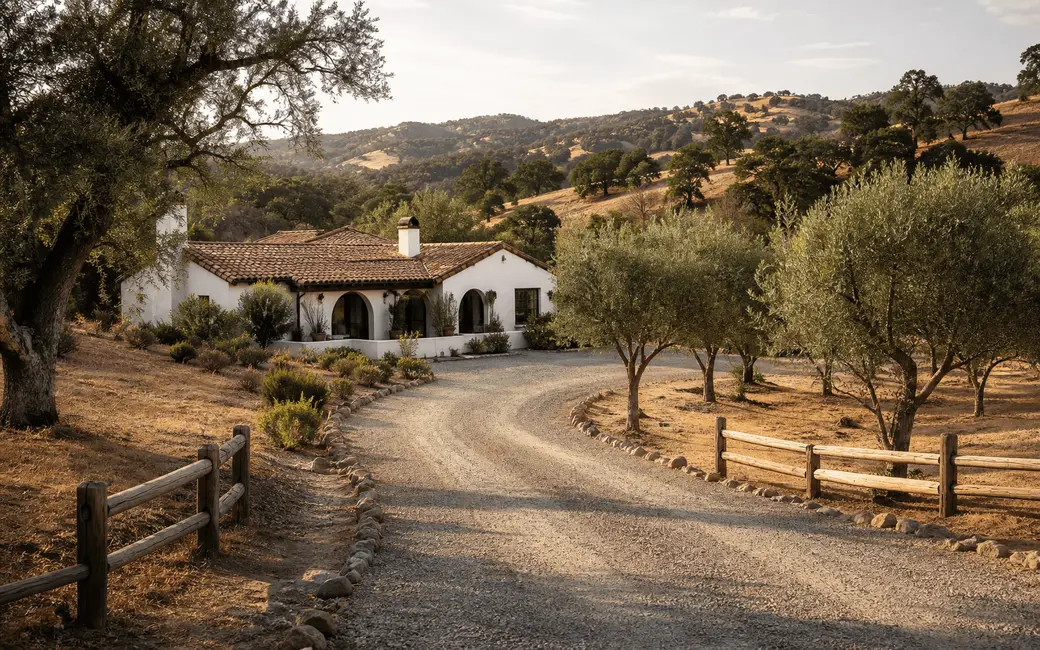
A lot of buyers come to Fallbrook for the land. You crest a hill, see a home tucked into a grove with a long gravel driveway, and the decision starts making itself. That is a good instinct — but rural property has a set of questions that a standard suburban purchase simply does not have.
Here is the list I walk my buyers through before they write an offer.
1. Water: how does this property actually get it?
Some Fallbrook properties are on a water district. Others are on a private well, or share one with neighbors. The answer changes your monthly cost, your maintenance responsibility, and what you need to inspect.
- If it is a well: ask about depth, the age of the pump, and whether there is recent water quality and flow testing. Order your own testing rather than relying on old paperwork.
- If it is a shared well: ask to see the written shared-well agreement. Who maintains it, who pays, and how are repairs decided?
- If it is district water: find out which district serves the parcel and what irrigating a grove would mean for usage.
2. Septic instead of sewer
Most acreage here is on septic. That is entirely normal and manageable, but it should be inspected specifically — not just glanced at during a general home inspection. Ask for the tank location and size, the last pump-out date, service records, and whether the leach field has ever been replaced. Also ask what would be required if you ever wanted to add a bedroom or an accessory dwelling unit, since septic capacity can be the limiting factor.
3. Access and the driveway
Is the road to the property public or private? If private, there is usually a maintenance arrangement among the owners who use it — get it in writing. Then look at the driveway itself: grade, surface, width, and whether a moving truck, a fire engine or a delivery van can realistically get up it. Steep unpaved driveways are common and fine, but they are a real ongoing cost.
4. Fire safety and insurance
This is inland Southern California, and brush management is part of owning land here. Look at defensible space around the structures, the condition of the roof and vents, and how much clearing the lot will need each year. Talk to an insurance agent about this specific address early in your search rather than after you are in escrow — availability and pricing vary by location, and you want that information while you still have choices.
5. The grove, if there is one
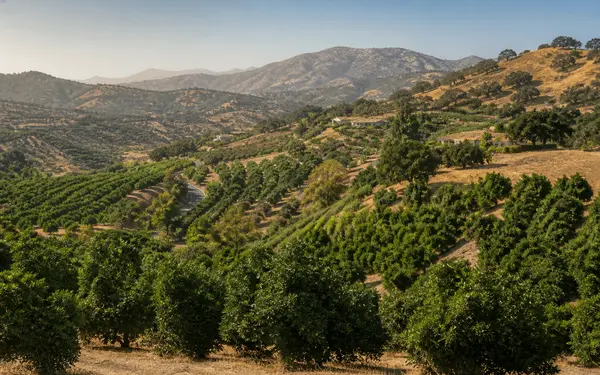
Avocado and citrus trees are part of Fallbrook's character, and they are also a living system someone has to maintain. Before you buy, understand the irrigation setup, roughly what upkeep the trees need, and whether the property has any agricultural tax treatment that could change under new ownership. Some buyers want a working grove. Others want six trees and a view. Both are available — just know which one you are buying.
6. Zoning, easements and what you can build
Pull the parcel's zoning and check any easements on title. Do you want horses, an ADU, a shop, a barn, a second driveway? Those are county land-use questions and the answers are parcel-specific. Ask before you plan.
7. Utilities, internet and the day-to-day
Confirm internet service at that exact address if you work from home — it can differ from one road to the next out here. Ask about propane versus natural gas, power reliability, and how trash and mail work on that street.
The point is not to be scared off
None of this is a reason to avoid acreage. It is the difference between buying land with open eyes and discovering things after closing. I build these checks into the timeline so they happen during your inspection window, while you still have room to negotiate or walk away.
Thinking about a move in or around Fallbrook? I live and work here, and I am happy to walk you through what to expect — whether you are a year out or ready this month. Get in touch, or see what your home may be worth.